Culture

No Words Needed: The Role of Bowing and Nodding in Japanese Daily Life

JAPAN IN ONE MINUTE ~Why Do Japanese People Bow and Nod So Much?Understanding Japan’s Unique Non-Verbal Culture~ High context culture: A high context culture is one where people rely heavily on non-verbal cues, shared experiences, and implied meanings to communicate, rather than saying everything directly with words. In such cultures, understanding often depends on the

No Words Needed: The Role of Bowing and Nodding in Japanese Daily Life Read More »

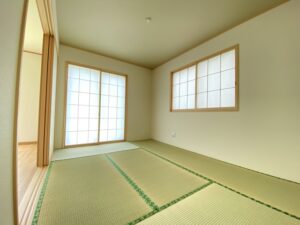
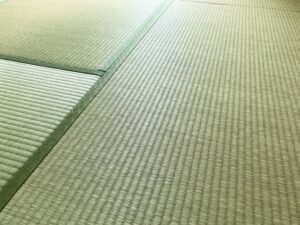
What Is “Tatami”? Discover Traditional Japanese Flooring and Its Hidden Comfort – Part 1

JAPAN IN ONE MINUTE ~ Why were “tatami” mats chosen by Japanese? ~ “Tatami” dates back to the 8th century, used by aristocrats and samurai during the Nara period. At first, it was more like a mat rather than covering the whole floor. By the Edo period, “tatami” had spread to ordinary people’s homes, becoming

What Is “Tatami”? Discover Traditional Japanese Flooring and Its Hidden Comfort – Part 1 Read More »

“Wabi sabi”: The Japanese Art of Finding Beauty in Imperfection and Impermanence – Part 1

JAPAN IN ONE MINUTE ~ Understanding the Beauty of Imperfection: “Wabi sabi” in Everyday Life ~ Summary “Wabi sabi” is a Japanese way of seeing beauty in imperfection, impermanence, and the natural aging of things, teaching us to appreciate simplicity and the fleeting moments of life.

“Wabi sabi”: The Japanese Art of Finding Beauty in Imperfection and Impermanence – Part 1 Read More »

“Kimigayo”: Discover the Meaning Behind Japan’s Mysterious and Ancient National Anthem – Part 2

JAPAN IN ONE MINUTE ~ Is the world’s oldest national anthem a love song? ~ Kimigayo wa :“Kimi” can refer to the emperor, or more broadly, to someone important to you like a beloved leader or even a loved one. “yo” means “era” or “reign,” so together it wishes for their lasting time. Chiyo ni

“Kimigayo”: Discover the Meaning Behind Japan’s Mysterious and Ancient National Anthem – Part 2 Read More »